

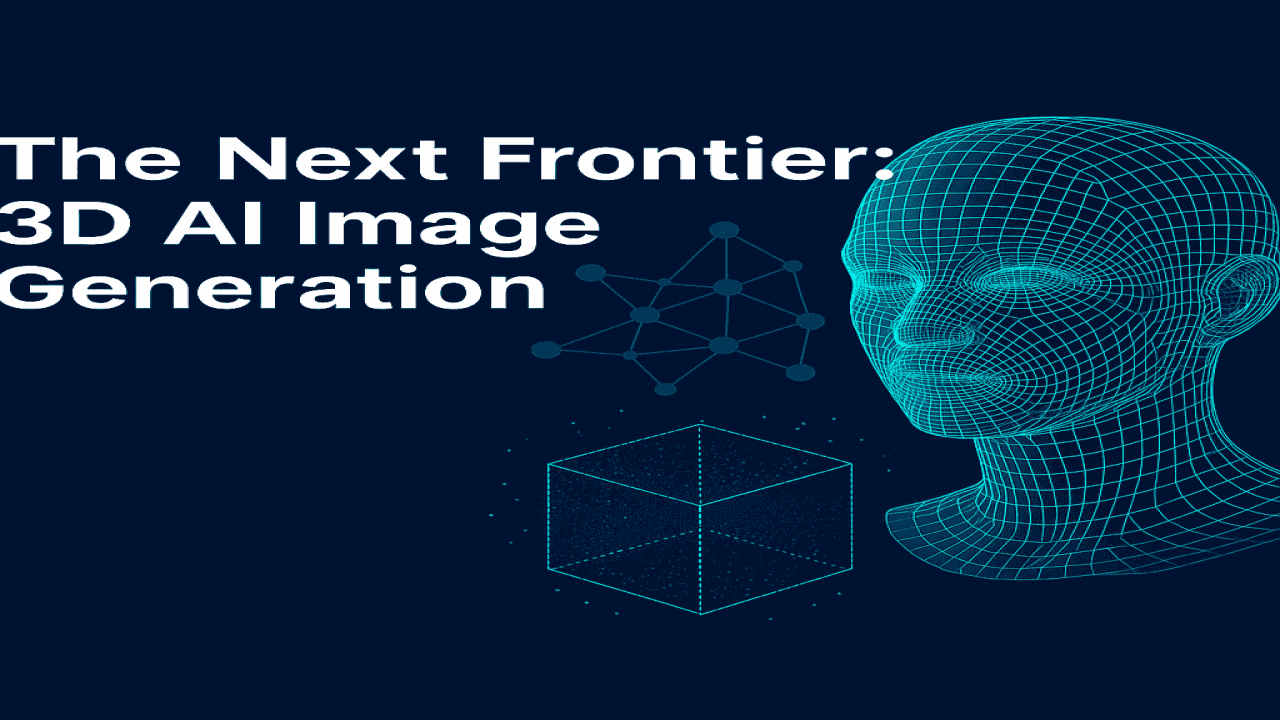
The Next Frontier: 3D AI Image Generation
Artificial intelligence has already changed how we create and experience visuals. From generating high-quality 2D images to assisting with design workflows, AI has proven to be a powerful tool for both creatives and businesses. But what’s next? The answer lies in 3D AI image generation — a groundbreaking leap that promises to transform industries from entertainment to e-commerce.
From Flat Images to Immersive Worlds
2D AI image generation has opened the door to faster creativity, but 3D takes things a step further. Instead of producing a single flat image, AI can now generate models with depth, texture, and perspective — allowing them to be rotated, animated, or placed into virtual environments.
This advancement isn’t just about making images look more realistic; it’s about creating immersive experiences that traditional design tools struggle to deliver at scale.
Why 3D Matters
The potential applications of AI-driven 3D generation are enormous:
🎮 Gaming & Entertainment: Studios can rapidly prototype characters, environments, and props, cutting production time in half.
🛒 E-Commerce: Retailers can generate lifelike product models that customers can view from every angle, boosting engagement and conversion rates.
🏗️ Architecture & Real Estate: AI can create 3D models of buildings or interiors, helping clients visualize spaces before they’re built.
🎨 Digital Art & NFTs: Artists gain new creative mediums to design sculptures, interactive art, and immersive experiences.
In short, 3D AI generation brings a new level of functionality and interactivity to industries that thrive on visuals.
The Technology Behind It
3D AI generation is powered by a mix of techniques:
Neural Radiance Fields (NeRFs): Allow AI to reconstruct 3D scenes from 2D images.
Generative Adversarial Networks (GANs): Create realistic textures and shapes.
Diffusion Models: Extend beyond flat image generation to simulate depth and lighting.
Together, these technologies make it possible to generate 3D assets that are both detailed and dynamic — something that once required massive budgets and long production cycles.
Challenges Ahead
While promising, 3D AI image generation is still in its early stages. Key challenges include:
Ensuring realistic physics and proportions
Creating consistent quality across different objects and environments
Handling the heavy computational costs involved in rendering 3D at scale
Despite these hurdles, research and innovation are moving quickly, and solutions are already emerging.
The Future of Creativity
3D AI generation won’t replace artists, designers, or developers — instead, it will augment creativity by removing technical barriers and speeding up production. Just as 2D AI tools have empowered marketers, small businesses, and creatives to do more with less, 3D AI promises to unlock a new wave of innovation.
Final Thoughts
The rise of 3D AI image generation is the next frontier in visual technology. From immersive shopping experiences to hyper-realistic game environments, the applications are endless — and we’re only scratching the surface.
At DolphinAi, we’re excited about this future and committed to making advanced AI tools accessible, scalable, and practical for businesses and creators worldwide.



Comments (0)
No comments found